CSCI 370 Lec 19: Software Architecture Patterns
Three-Tier Architecture and N-Layer Architecture
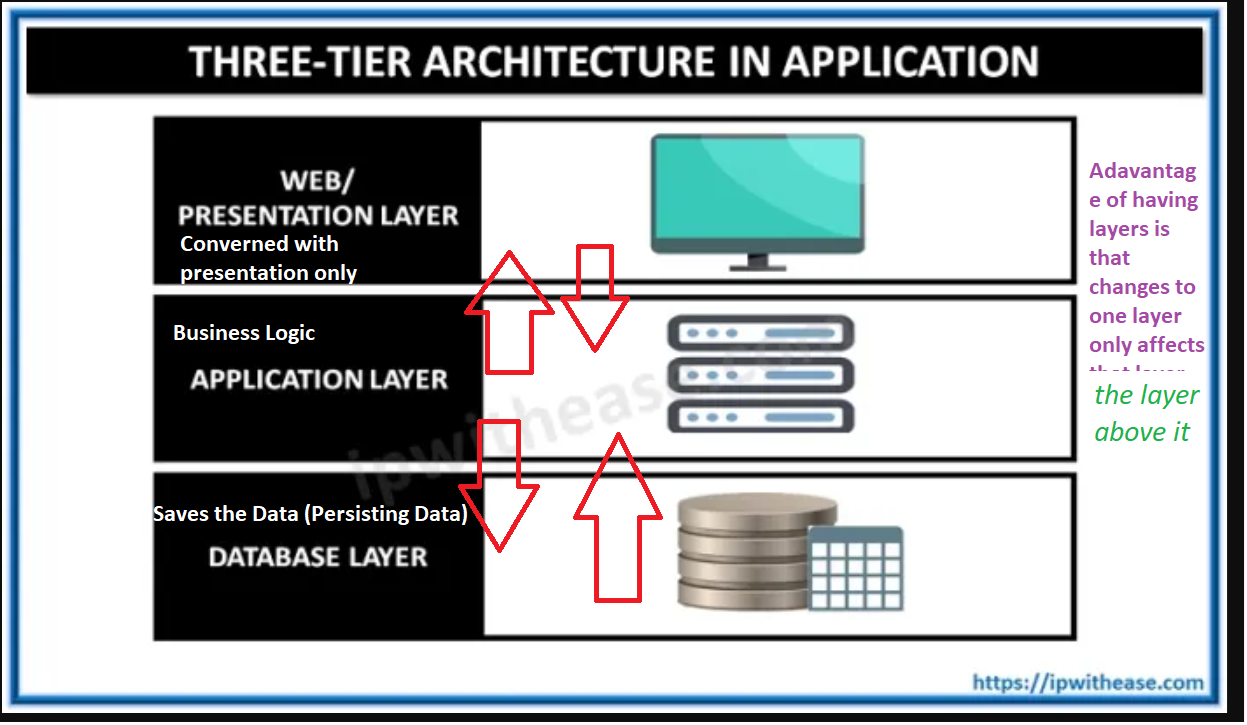
Section titled “Three-Tier Architecture and N-Layer Architecture”Key Advantages:
Section titled “Key Advantages:”-
Minimized Retesting:
- Changing a layer may require retesting all layers above it but not the layers beneath it, reducing the scope of retesting.
-
Division of Responsibilities:
- Code is divided by functionality, allowing different teams with specialized skills to work on separate layers without interference.
-
Independent Testing:
- Each layer can be tested independently since they are not interdependent.
-
Layer Swapping:
- One layer can be replaced without affecting other layers.
Issues Specific to Web Applications
Section titled “Issues Specific to Web Applications”-
Security:
- Web applications are exposed to the entire world, making them vulnerable to attacks.
-
Browser Dependency:
- Applications rely on web browsers for security and functionality.
-
Internet Speed:
- Performance depends on internet speed, necessitating some client-side programming.
-
Plain HTML Limitations:
- Basic HTML pages are unappealing and require significant effort to make them engaging.
-
Graphics Control:
- Limited control over graphics in web applications.
-
State Management:
- Web applications must manage the state of all connected browsers.
-
Database Bottlenecks:
- Handling data on a single database server can become a bottleneck, especially with SQL.
Non-Functional Requirements and Their Impact on Architecture
Section titled “Non-Functional Requirements and Their Impact on Architecture”Definition:
Section titled “Definition:”Non-functional requirements are implicit requests that affect the entire program. Failure to meet these requirements can jeopardize the project.
Examples:
Section titled “Examples:”-
Performance:
- Critical operations should be localized within a small number of components.
- Minimize database and internet communication.
- Example: Alexa relies on the internet, while Tesla requires immediate local processing.
-
Security:
- Use a layered structure with critical assets in the innermost layers.
-
Safety:
- Co-locate safety-related operations in a single or small number of components for easier validation.
-
Maintainability:
- Use fine-grain, self-contained components to simplify changes and reduce the risk of breaking other parts of the system.
Architectural Patterns
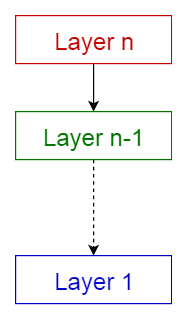
Section titled “Architectural Patterns”1. Layered Pattern
Section titled “1. Layered Pattern”-
Layers:
- Presentation Layer (UI Layer)
- Application Layer (Service Layer)
- Business Logic Layer (Domain Layer)
- Data Access Layer (Persistence Layer)
-
Usage:
- General desktop applications.
- E-commerce web applications.
2. Client-Server Pattern
Section titled “2. Client-Server Pattern”-
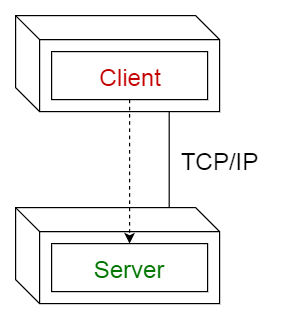
Description:
- Consists of a server providing services to multiple clients.
- Clients request services, and the server responds.
-
Usage:
- Online applications, email, document sharing, banking, and database servers.
3. Pipe-Filter Pattern
Section titled “3. Pipe-Filter Pattern”-
Description:
- Structures systems that process a stream of data.
- Each processing step is enclosed in a filter component, and data flows through pipes.
-
Usage:
- Compilers (lexical analysis, parsing, semantic analysis, code generation).
- Workflows in bioinformatics.

4. Peer-to-Peer Pattern
Section titled “4. Peer-to-Peer Pattern”-
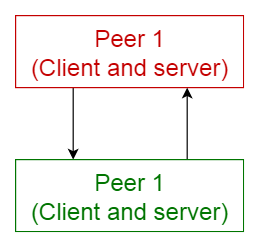
Description:
- Components (peers) act as both clients and servers.
- Peers can dynamically change roles.
-
Usage:
- File-sharing networks (e.g., Gnutella, G2).
- Multimedia protocols (e.g., P2PTV, PDTP).
- Cryptocurrency (e.g., Bitcoin, Blockchain).
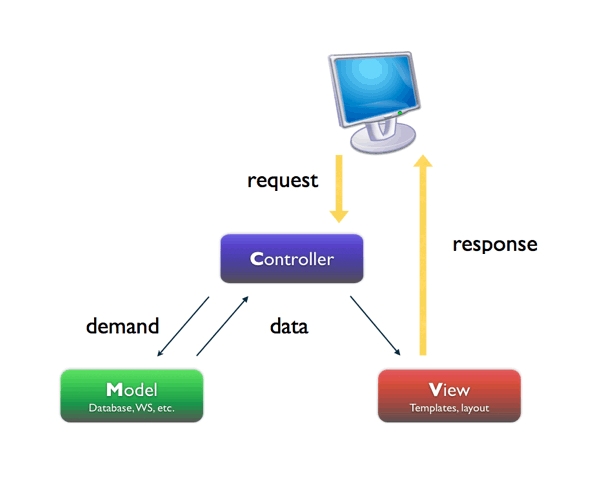
5. Model-View-Controller (MVC) Pattern
Section titled “5. Model-View-Controller (MVC) Pattern”-
Description:
- Divides an interactive application into three parts:
- Model: Core functionality and data.
- View: Displays information to the user.
- Controller: Handles user input.
- Divides an interactive application into three parts:
-
Usage:
- Architecture for web applications in major programming languages.
Summary
Section titled “Summary”This lecture covered various software architecture patterns, their advantages, and their applications. Key topics included the three-tier architecture, issues specific to web applications, non-functional requirements, and common architectural patterns such as Layered, Client-Server, Pipe-Filter, Peer-to-Peer, and MVC. Understanding these patterns is crucial for designing robust, maintainable, and efficient software systems.